Our Location
304 North Cardinal St.
Dorchester Center, MA 02124

The 10 most costly renovation mistakes Malaysian homeowners make — and exactly how to sidestep each one.
The 10 most costly renovation mistakes Malaysian homeowners make — and exactly how to sidestep each one.
Renovation in Malaysia is exciting — right up until the moment it isn’t. The permit you forgot to apply for. The contractor who disappeared after collecting the deposit. The bathroom that leaks into your downstairs neighbour’s unit six months after handover. These aren’t rare horror stories; they are the lived reality of homeowners who skipped a few steps at the beginning.
The good news is that most renovation mistakes Malaysians make are entirely preventable. They tend to cluster around the same few decisions: who you hire, what you agree to, how much you budget, and how well you manage the process on site. This guide covers the ten most common ones — what goes wrong, why it happens, and what to do instead.
[image 1: malaysian-homeowner-renovation-planning-mistakes]

This is the number one mistake made by condo and apartment owners — and it carries real consequences. In a strata property, you are legally required to submit a renovation notice and obtain written approval from your Joint Management Body (JMB) or Management Corporation (MC) before any work begins. This typically covers hacking, plumbing changes, electrical work, and anything that affects shared walls or structural elements.
Skipping this step does not just risk a fine. It can result in your contractor being barred from the building, work being halted mid-renovation, and — in serious cases — you being held liable for damage to neighbouring units.
If your ID or contractor is telling you approval isn’t necessary, treat that as a red flag.
Price shopping is natural. But selecting a contractor solely on the lowest quote — without verifying credentials — is one of the most reliable ways to end up with a stalled renovation and a ghost phone number.
A qualified renovation contractor in Malaysia should be registered with CIDB (Construction Industry Development Board) and have a valid G-class licence. For design-and-build firms handling both ID and construction work, check that the company is registered with SSM. These are basic due diligence steps that take under 30 minutes and can save you tens of thousands of ringgit.
For a detailed guide on evaluating professionals before you sign anything, read how to find a trustworthy interior designer in Malaysia.

A verbal agreement is not a contract. In renovation disputes — and there are many — homeowners who rely on WhatsApp messages and handshakes have almost no legal recourse when things go wrong.
Your contract should spell out the full scope of works, payment milestones tied to completion stages, material specifications (brands, grades, finishes), a handover date, and the defect liability period. Without these in writing, every disagreement becomes a “he said, she said” situation.
Budgeting mistakes are where renovations go off the rails most dramatically. Homeowners routinely underestimate costs by 20–40%, then face a painful choice mid-project: stop work or drain savings that weren’t earmarked for renovation.
The problem usually starts with incomplete quotations. A quote that covers only the “main works” will balloon once you add lighting fixtures, curtains, loose furniture, appliance installation, and the inevitable variation orders for changes made along the way.
For a realistic breakdown of what renovation actually costs in Malaysia today, the 2026 home renovation cost guide covers room-by-room estimates in detail.

If you bought a new property — whether it’s a condo from a developer or a newly completed landed home — you have a statutory defect liability period, typically 24 months from the date of vacant possession. During this window, the developer is legally obligated to rectify defects at no cost to you.
Many homeowners rush to renovate immediately after getting their keys, covering up developer defects in the process. Cracks get painted over. Leaking pipes get enclosed in cabinetry. When the defect surfaces later, the developer can argue the homeowner’s renovation work caused or concealed it.
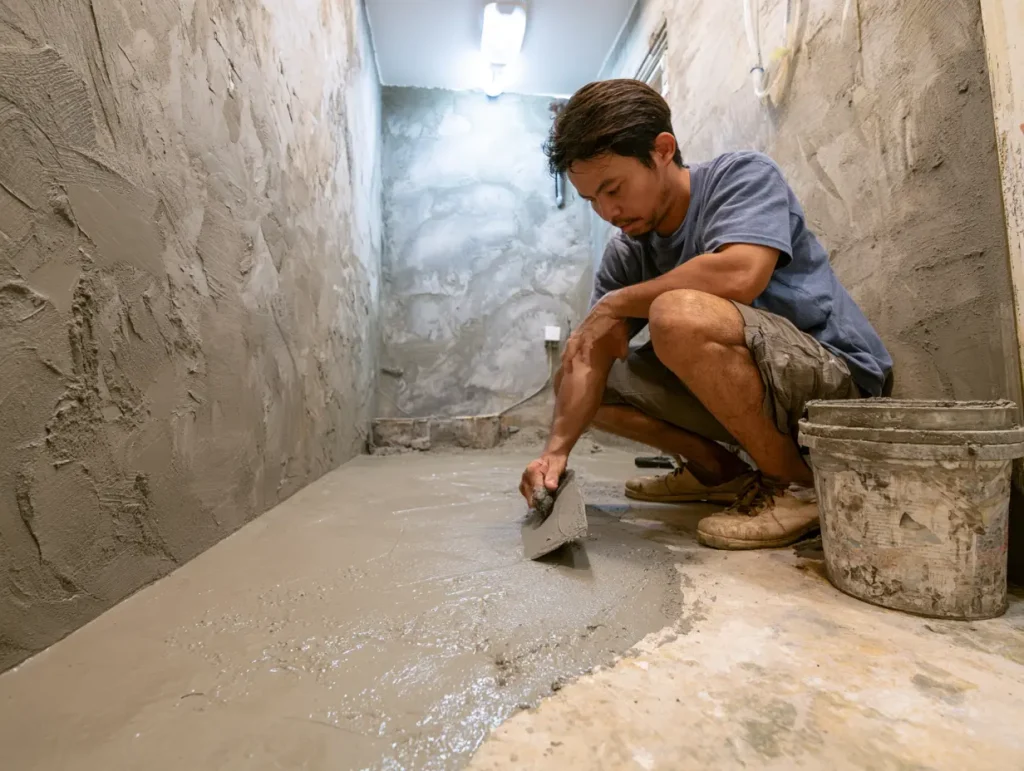
Malaysia’s humidity and monsoon seasons make waterproofing non-negotiable — yet it remains one of the most commonly cut corners in renovation budgets. Waterproofing is invisible once tiling is done, which makes it easy for contractors to omit or do poorly without the homeowner noticing until the damage appears months later.
A failed bathroom waterproofing job doesn’t just damage your own flooring. It seeps into the unit below, making you liable for your neighbour’s ceiling repair — a dispute that can escalate quickly in a strata building.
| Area | Minimum Waterproofing Height | Flood Test Required |
|---|---|---|
| Bathroom floor | Full floor + 300mm up walls | Yes — 24 hours minimum |
| Wet kitchen floor | Full floor + 150mm up walls | Recommended |
| Balcony | Full floor | Yes |
| Roof/planter box | Full surface | Yes |
Prices above are indicative estimates for reference only. Actual costs will vary depending on your interior designer, contractor, material choices, and project scope.
This is the mistake that shows up two years later — as mould on walls, musty cupboards, and peeling paint. Malaysian homes sit in one of the world’s most humid climates. Renovation designs that prioritise aesthetics over airflow create the perfect conditions for moisture-related damage.
The most common offenders: enclosed shoe cabinets with no ventilation slots, built-in wardrobes sealed against exterior walls that collect condensation, and kitchens where the hob is placed away from the window or exhaust duct route.
Design changes during construction are the single biggest driver of budget overruns. What feels like a small adjustment — moving a wall, changing the tile layout, swapping a countertop material — generates a variation order (VO) that carries both material costs and the hidden cost of abortive work already completed.
The pressure to change things mid-renovation often comes from seeing the space take shape for the first time and realising it’s different from what you imagined. The best fix for this is front-loading the design process — not patching it on site.
Handover day feels like a relief — and many homeowners accept the keys without conducting a proper snagging inspection. This is a mistake. Defects that are not flagged in writing at handover become the homeowner’s problem to fix at their own cost.
A snagging inspection covers everything from scratched tiles and uneven grout lines to doors that don’t close flush, switches that don’t work, and paint that was applied over an untreated surface. It is painstaking work, but it is far cheaper than rectifying the same issues once your furniture is in.
[image 5: snagging-inspection-checklist-malaysia-new-home]
The biggest mindset mistake — and the one that sets up all the others — is treating renovation as a transaction rather than a process. Homeowners who approach it as “get quotes, pick the cheapest, wait for handover” tend to be the ones who end up with the most problems.
Renovation is a managed process that requires your active involvement: reviewing drawings, visiting site during key construction stages, asking questions, and making decisions on schedule so work isn’t delayed. The homeowners who get the best outcomes are those who stay engaged throughout — not hands-off until something goes wrong.
If you haven’t already mapped out the full process, a renovation checklist for Malaysian homeowners is a useful starting point before you engage anyone.
The renovation mistakes Malaysians make most often aren’t about choosing the wrong tile or picking the wrong paint colour — those are easy to fix. The costly mistakes happen before the first tool touches the wall: skipping permits, rushing into contracts, cutting the budget too thin, and hoping everything works out.
The homeowners who come out of renovation with their budget intact, their timeline respected, and their relationship with their contractor intact are almost always the ones who did the groundwork first. They verified credentials, read every clause, made design decisions early, and stayed present throughout the build.
Rumaruma is built to be that preparation resource — honest, practical, and grounded in Malaysian renovation realities. Whether you’re planning your first renovation or your third, the principles in this guide apply every time.
Start with the right process, and most of these mistakes simply won’t happen to you.
